
Delamination in Solar Panels
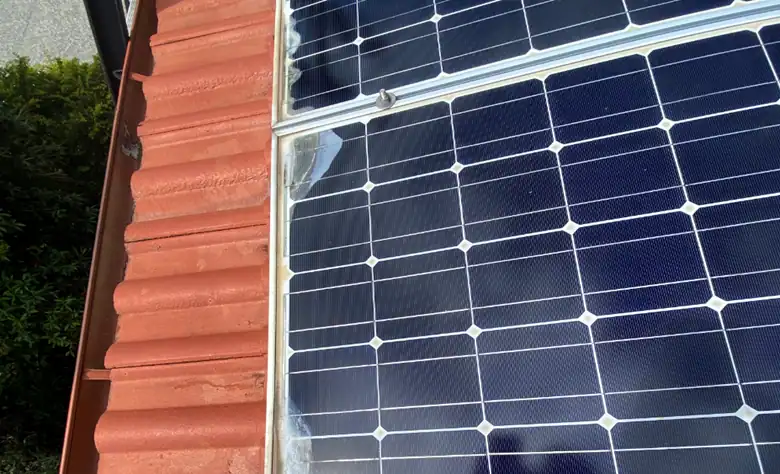
Delamination is the loss of adhesion between layers in a PV module laminate—typically at the glass–encapsulant or encapsulant–backsheet interface (or within the backsheet itself). Separation creates air gaps that admit moisture, reduce optical coupling, and increase mechanical stress. Over time, this can lead to corrosion, power loss, and—in severe cases—hotspots or insulation/safety issues.
Common Causes
- Manufacturing/Materials: insufficient lamination time/temperature/pressure, low EVA crosslink level, contamination of glass/foil, improper cure of EVA/POE, poor edge seal.
- Environment: damp heat, UV exposure, thermal cycling; salt‑mist or ammonia atmospheres accelerate adhesion loss.
- Mechanical/Installation: clamps outside allowed clamp zones, module flexing, tracker misalignment/torsion, hail/impact, cable rub or junction‑box stress.
- Ageing: encapsulant browning/embrittlement, backsheet cracking/chalking, repeated moisture ingress and drying.
Effects and Risks
- Optical loss: air gaps increase reflection/scatter → lower photocurrent and reduced power.
- Moisture ingress → corrosion: darkening/snail‑trail progression, finger/busbar/interconnect corrosion, rising series resistance.
- Thermal behavior: localized hotspots can develop where corrosion or resistive paths form (not all delamination shows in IR).
- Insulation & safety: backsheet delamination/cracking can lower insulation resistance, increase leakage current, and raise shock/arcing risk; may exacerbate PID pathways under high system voltage.
- Progression risk: bubbles/blisters can grow (wind uplift, heat), leading to faster degradation.
Detection and Diagnosis
- Visual inspection: edge peel, bubbles/blisters, milky or hazy patches, backsheet wrinkling/cracking; photograph extent and locations.
- IR thermography: check under load for persistent hotspots near corroded interconnects or moisture‑affected regions; delamination alone may show no IR contrast.
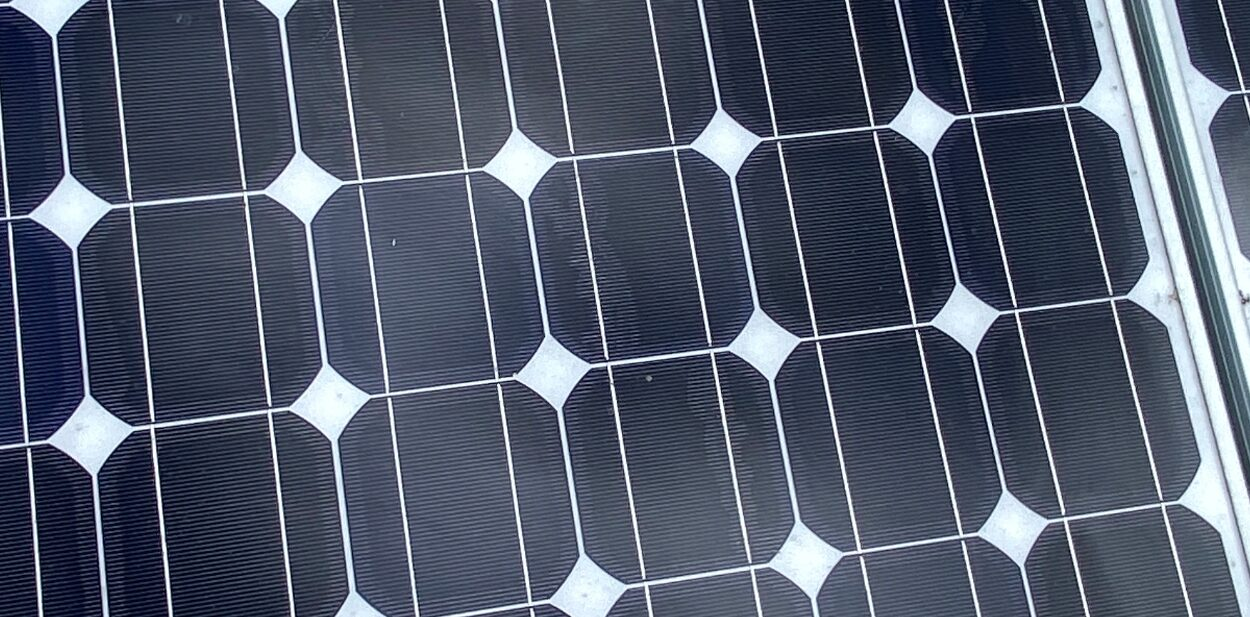
- EL imaging: dark areas from cracked cells/interconnect faults or corrosion; compare with baseline images.
- Insulation testing (IEC 62446): megger/wet‑leakage tests can reveal reduced insulation resistance; re‑test when dry vs wet.
- Mounting review: verify clamp zones/torque, drainage, and points of mechanical stress or cable abrasion.
Corrective and Preventive Actions
- Replace the module when delamination is widespread, growing, or associated with IR hotspots, corrosion, or insulation failure.
- Minor edge lift only: where allowed by the manufacturer, apply approved edge sealant after drying; document and monitor (short‑term mitigation, not a cure).
- Reduce moisture & stress: improve drainage, avoid water pooling, trim vegetation, secure cables, and relieve connector/JB strain.
- Design & procurement: prefer glass‑glass or high‑quality backsheet designs; specify EVA/POE with verified crosslink and certification for salt‑mist/ammonia if relevant.
- O&M practice: schedule periodic visual + IR (and EL when available); track area growth, note humidity/temperature, and plan timely replacements.