How Does a Solar Panel Warranty Work?
A warranty is a manufacturer’s guarantee detailing their obligations if a product fails—or when its performance drops—within a set period. It provides financial peace of mind by covering costs for repair or replacement, shifting those risks away from the customer.
Understanding solar panel warranties goes beyond just looking at the number of years of coverage. It’s essential to recognize what’s covered, the expected degradation rate, any extra protections, and what can void the warranty.
Types of Solar Panel Warranties
Manufacturers typically offer two key warranty types:
- Performance (Power) Warranty
Guarantees minimal annual degradation and a certain percentage of power output after a given warranty period—commonly 25 years. - Product (Material & Workmanship) Warranty
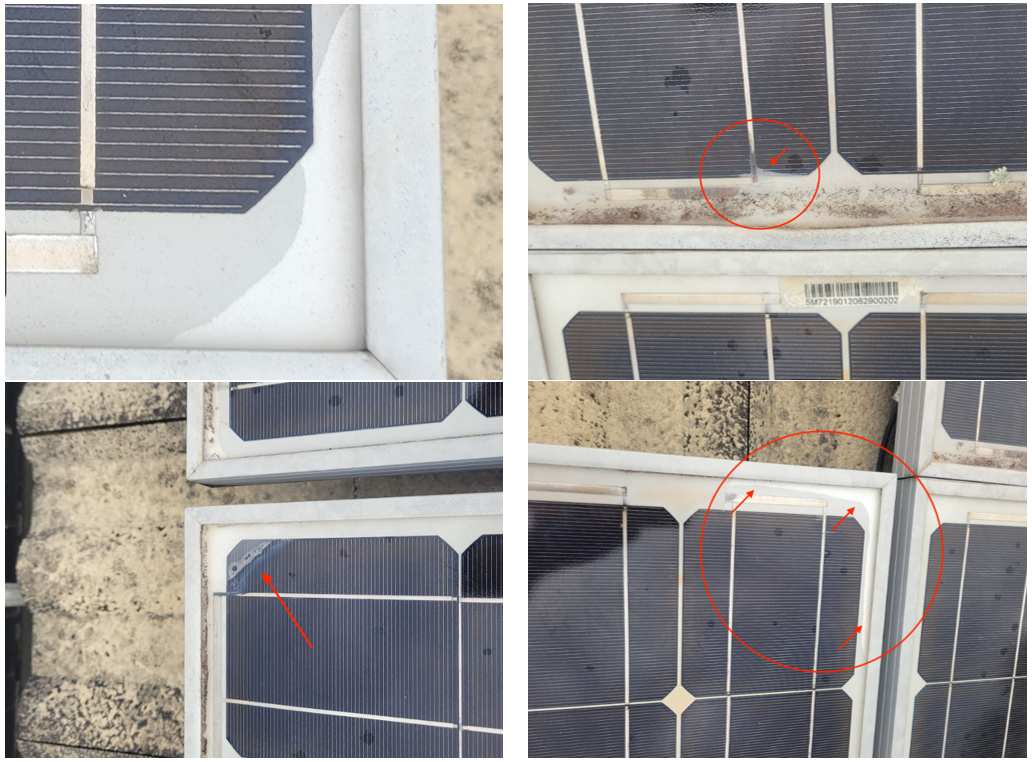
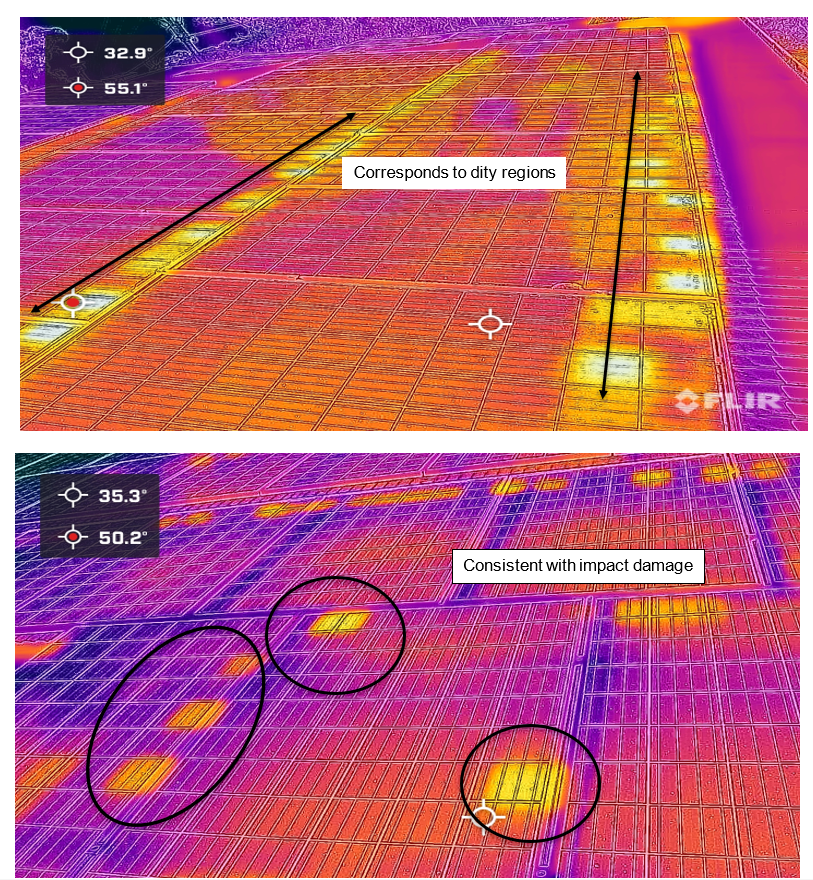
Covers defects arising from manufacturing or materials. Damage from external factors like storms or poor installation is usually excluded.
Typical Warranty Features Across the Industry
- Performance Warranty Benchmarks
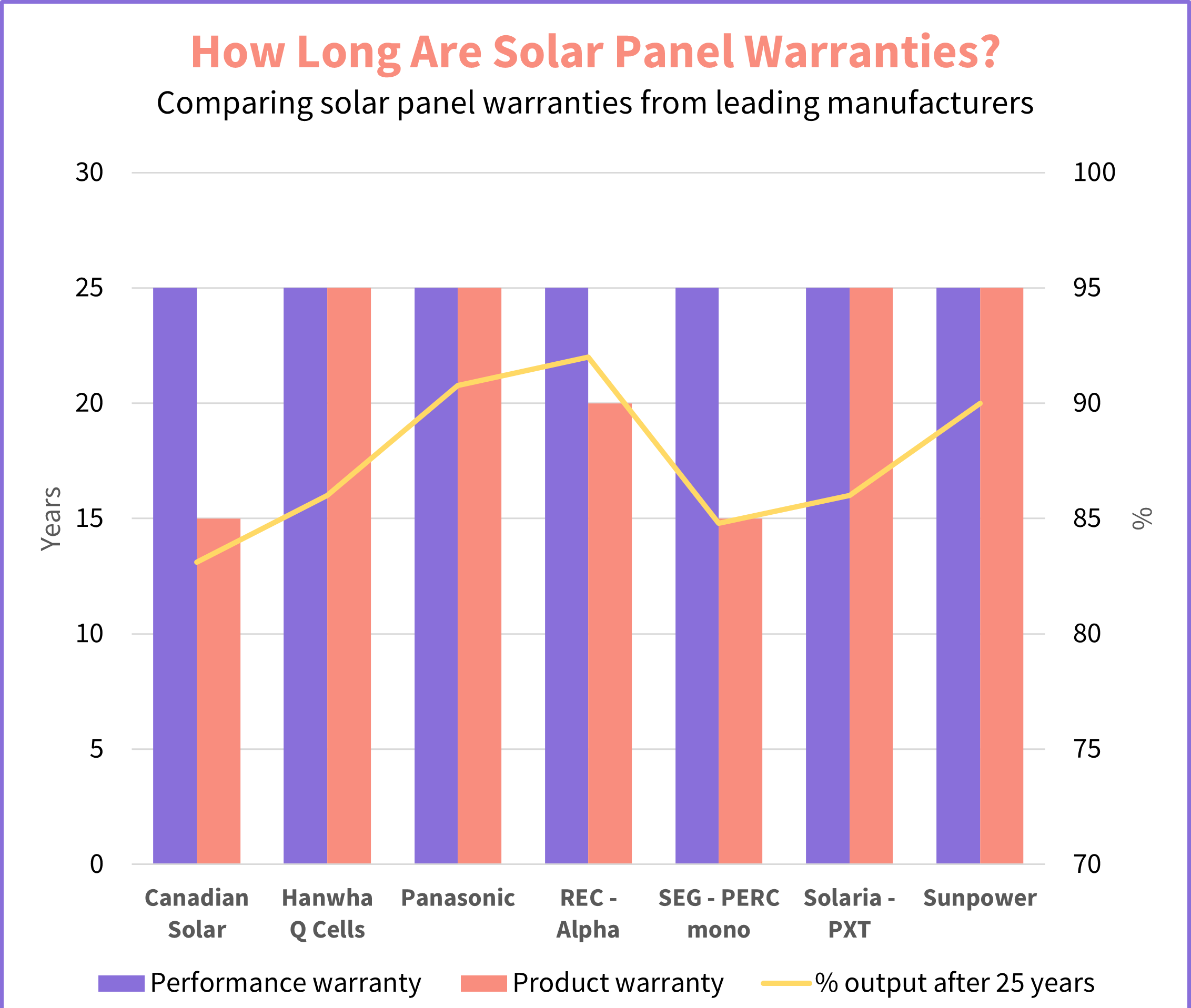
Expect about 80–90% retained power after 25 years. Most panels guarantee no more than ~2–3% degradation in the first year, followed by 0.25–0.5% annually thereafter. Premium models may offer up to 30 years or better retention rates. - Product Warranty Duration
Standard coverage runs around 10–15 years, though premium brands now commonly offer 20–25 years. Some installers extend this to match performance warranty periods. - Coverage Inclusions
Product warranties usually include replacement panels—but often exclude labor and shipping unless explicitly stated. Installer-issued warranties (covering workmanship, wiring, or rooftop issues) may cover these costs. - Top Warranty Performers
Manufacturers like Maxeon (SunPower) offer exceptional warranties like up to 40-year product and performance on some selected international markets, such as parts of Europe, Australia, and Japan. Others like REC, Panasonic, and Silfab offer strong coverage—e.g., REC’s ProTrust warranty includes product, performance, and even labor coverage.
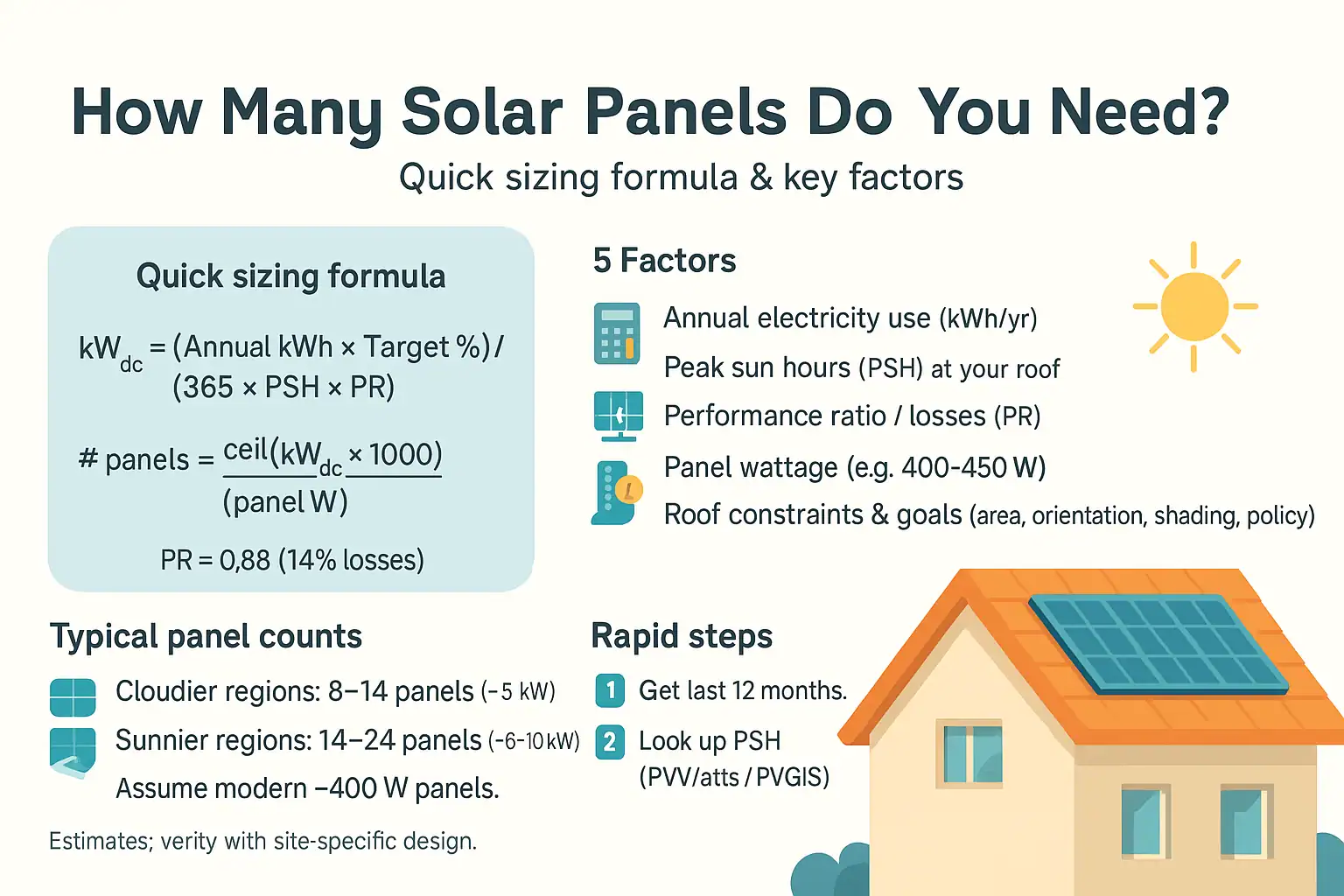
Related Post: How Many Solar Panels Do You Need to Power Your House?
Who offers the best solar panel warranty?
| Solar Panel Manufacturer | Product Warranty Duration | Maximum Performance Warranty at Year 25 |
| SunPower (Maxeon) | 25 years | ~92% (M-Series, A-Series, X-Series, and E-Series) |
| Panasonic | Up to 25 years | ~86%–92% |
| REC (ProTrust) | 20–25 years (plus labor) | ~92% |
| Silfab | 25 years | ~82–83% (30-yr performance possible) |
| Maxeon | Same as SunPower above | Same as SunPower above |
| LG | ~25 years | ~90% |
| Qcells | ~25 years | ~86–90% at year 25 (depending model) |
| Mission Solar Energy | ~25 years | ~80% |
| Winaico | ~25 years | ~80% |
| Green Brilliance | ~25 years | ~80% |
| Solartech Universal | ~15 years | ~80% |
| Hanwha (Qcells brand) | ~12–25 years | ~85–92% (varies by product/term) |
| Canadian Solar | ~12–30 years | ~85–89% |
| JA Solar | ~12 years | ~83–84% |
| First Solar | ~12 years | ~83% |
| Phono Solar | ~12 years | ~82–83% |
| SunSpark Technology | ~12 years | ~82–83% |
| S-Energy | ~12 years | ~80–81% |
| Amerisolar | ~12 years | ~80–81% |
| Upsolar/Hyundai | ~12 years | ~80–81% |
| Trina | ~10 years | ~83% |
| Seraphim / China Sunergy / Astronergy | ~10 years | ~80–81% |
Why Solar Panel Warranties Matter
- Major Financial Investment: Panels represent a significant upfront cost. Warranties protect your expected return by ensuring long-term reliability.
- Performance Expectations: With multi-decade use, knowing how much output might drop is crucial for ROI forecasts.
- Manufacturer Support: Extensive and transparent warranties reflect confidence and encourage accountability—even decades down the line.
Warranty Pitfalls to Watch For
- Excluded Damage: Most warranties won’t cover issues from natural disasters, poor installation, vandalism, or improper maintenance.
- Installation Standards: Many vendors require certified installers to maintain warranty validity.
- Shipping & Labor: Clarify whether labor and shipping for replacements are included—some premium warranties (e.g., Panasonic, REC ProTrust) cover these.
- Transferability: Consider how easily warranties transfer if you sell your home. Some are automatic; others require paperwork.
Final Thoughts
Before buying:
- Compare degradation rates—not just years.
- Know what’s covered—especially labor, shipping, and installer obligations.
- Favor manufacturers with proven, long-term support.
- Keep documentation safe—you’ll need it if you ever make a warranty claim.
Read More: Common faults in solar panels